Research Hub
Peer-reviewed comparative analysis of research peptides used in laboratory investigations. Molecular profiles, mechanisms of action, and PubMed-sourced findings for each compound.
GLP-1 Agonists: Semaglutide vs. Tirzepatide
 Semaglutide
GLP-1 Receptor Agonist • Single Agonist
GLP-1 analog activating glucose-dependent insulin secretion, gastric slowdown, and appetite suppression. STEP-1: 15–17% weight reduction at 68 weeks (2.4mg weekly).
View Product → Tirzepatide
GIP/GLP-1 Dual Agonist
Dual GIP/GLP-1 mechanism producing greater appetite suppression. SURMOUNT-1: 20–22.5% at 72 weeks. 2025 meta-analysis: 4.23% greater loss vs semaglutide (p<0.01).
View Product →Triple vs. Single: Retatrutide vs. Semaglutide
 Retatrutide
Triple Agonist (GLP-1/GIP/Glucagon)
Triple-receptor agonist. Glucagon enhances thermogenesis and fat oxidation. Phase 2 (Jastreboff, NEJM 2023): 24.2% at 48 weeks (12mg) – highest GLP-1 class trial result.
View Product →Semaglutide
Single Agonist (GLP-1)
GLP-1 benchmark for isolating single-pathway effects. STEP-1: 15–17% at 68 weeks. Retatrutide exceeded by ~10 points, showing triple-agonist impact.
View Product →Anti-Inflammatory Peptides: BPC-157 vs. KPV
BPC-157
Synthetic Pentadecapeptide · 15 Amino Acids
BPC-157 activates VEGFR2 and nitric oxide synthesis via Akt-eNOS, reducing inflammatory cytokines while promoting angiogenesis and tissue repair. Systematic review of 544 studies (1993-2024) found BPC-157 enhances GH receptor expression across muscle, tendon, ligament, and bone injury models.
KPV
Tripeptide · Lys-Pro-Val
KPV inhibits NF-κB activation intracellularly after PepT1 uptake, suppressing pro-inflammatory cytokines independent of melanocortin receptors. KPV exerts stronger anti-inflammatory effects than α-MSH itself. Oral administration reduced inflammation in DSS and TNBS colitis models.
Cellular Repair & Longevity: GHK-Cu vs. NAD+
GHK-Cu
Copper Tripeptide · Gly-His-Lys
GHK-Cu binds copper and activates fibroblast proliferation, collagen/elastin synthesis, VEGF/bFGF upregulation. Modulates 4,000+ genes—essentially resetting aging cells toward healthier expression. Collagen increased 9-fold in rat wound models. Declines naturally with age.
NAD+
Coenzyme · Redox Cofactor
NAD+ is electron carrier for sirtuins (SIRT1-7) and PARP, governing DNA repair and mitochondrial function. Declines with aging. NMN-mediated elevation activates sirtuins/autophagy, suppresses senescence, accelerates fibroblast wound healing. Shows longevity benefits in aging animal models.
Growth vs. Cognitive: CJC-1295 vs. Semax
CJC-1295
GHRH Analogue · GH Secretagogue
CJC-1295 binds GHRH receptors to stimulate GH synthesis. DAC modification extends half-life to ~8 days. Single injection: 2-10x GH for 6+ days, 1.5-3x IGF-1 for 9-11 days. Multiple doses maintain IGF-1 elevation 28+ days with preserved GH pulsatility.
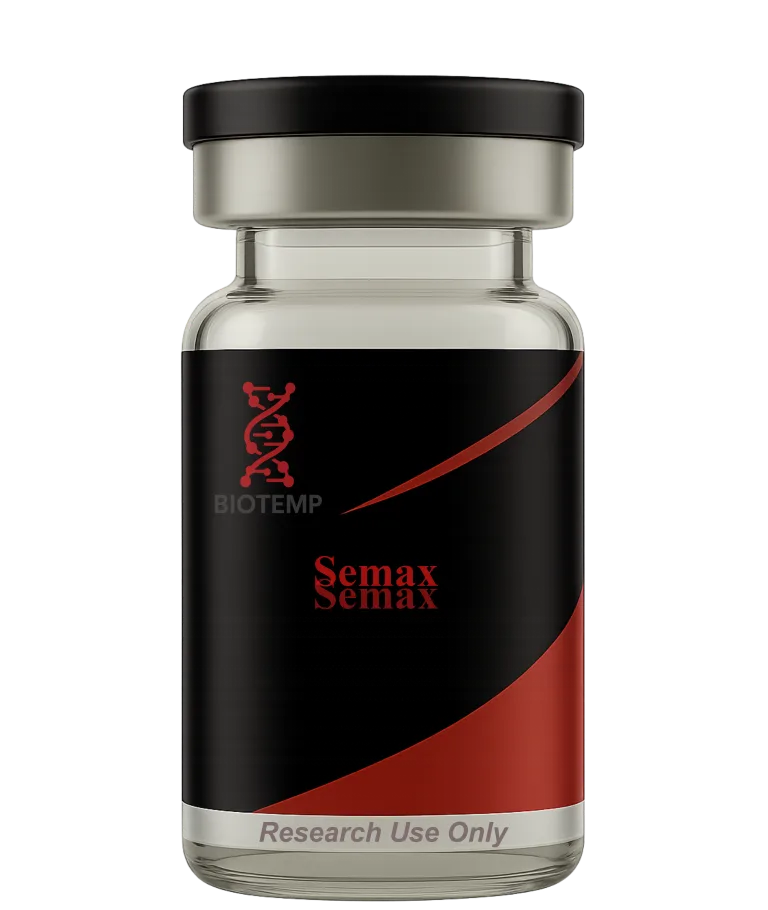
Semax
ACTH(4-10) Analogue · Neuropeptide
Semax is ACTH(4-10) with C-terminal Pro-Gly-Pro extension for enzymatic resistance. Upregulates BDNF/TrkB in hippocampus, modulates serotonin/dopamine, activates neuroplasticity. Single 50μg/kg dose: 1.4x BDNF, 3x BDNF mRNA, improved cognition in models.
All citations link to PubMed, NIH, or peer-reviewed journals. For research use only.